
Reagents & Consumables
A broader life-science and analytical supply portfolio covering molecular reagents, cell-culture materials, chemicals, plastics, filters, sample preparation, sequencing consumables and QC materials.

Coverage
Aventra supports requirement-specific sourcing across the following technology and material areas.
Consumables are often method-critical.
A reagent or disposable should be specified by more than a generic name. Formulation, grade, surface treatment, sterility, material, instrument compatibility, documentation, lot, shelf life and storage can all determine suitability. This broader coverage spans both life-science and analytical laboratory needs.

What we clarify before sourcing
Technical Considerations for Reagent & Consumable Selection
These illustrated steps organize how reagents and consumables should be evaluated for scientific fit, continuity and reliable use.
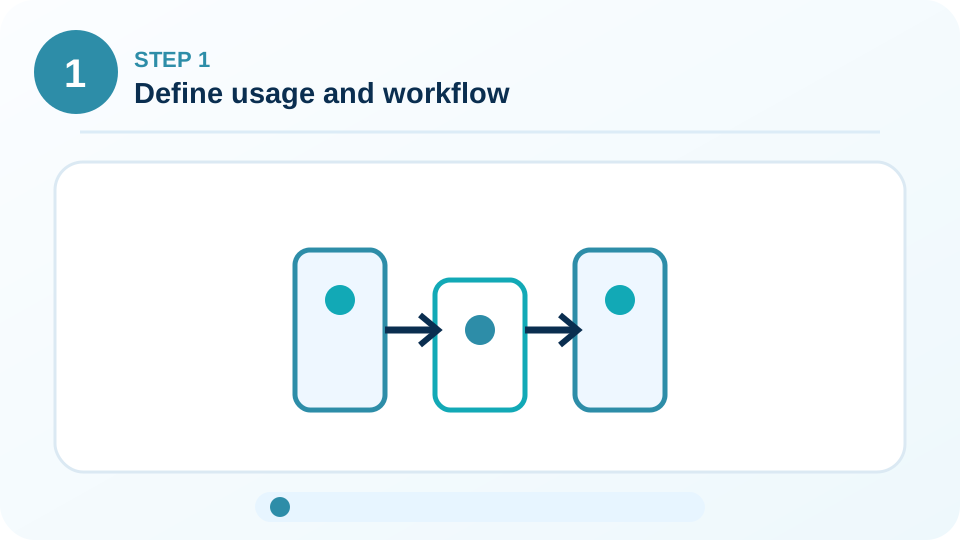 Define the use case
Clarify application, sample type, throughput, pack format, grade, sterility and frequency of use before comparing options.
- Record application, workflow and usage intensity
- Specify pack size, sterility level and required grade
- Note any validated method or installed-base constraints
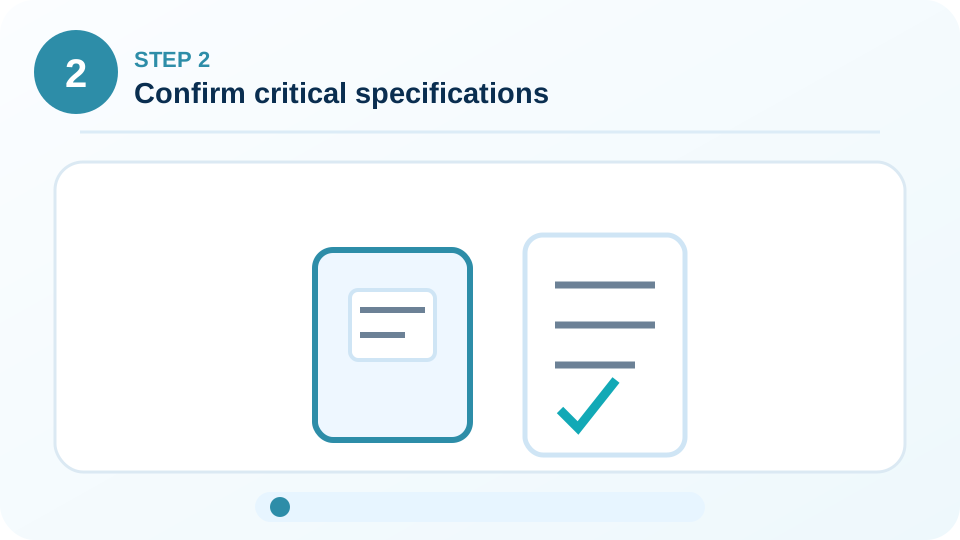 Confirm critical specifications
Check chemistry, material compatibility, dimensions, purity, endotoxin level, instrument fit and storage conditions.
- Verify compatibility with instruments, methods and sample chemistry
- Check dimensional, purity and sterility requirements
- Review storage and handling constraints
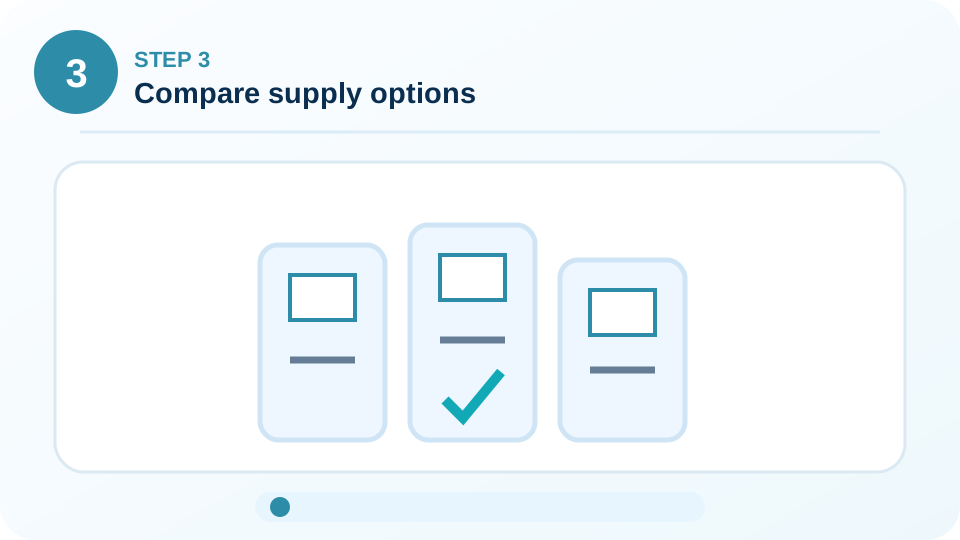 Evaluate alternatives and supply options
Compare exact references and acceptable alternatives for performance fit, lot continuity, certificates and documentation.
- Assess exact-match versus technically acceptable alternatives
- Review documentation, certificates and regulatory needs
- Compare continuity risks across sources
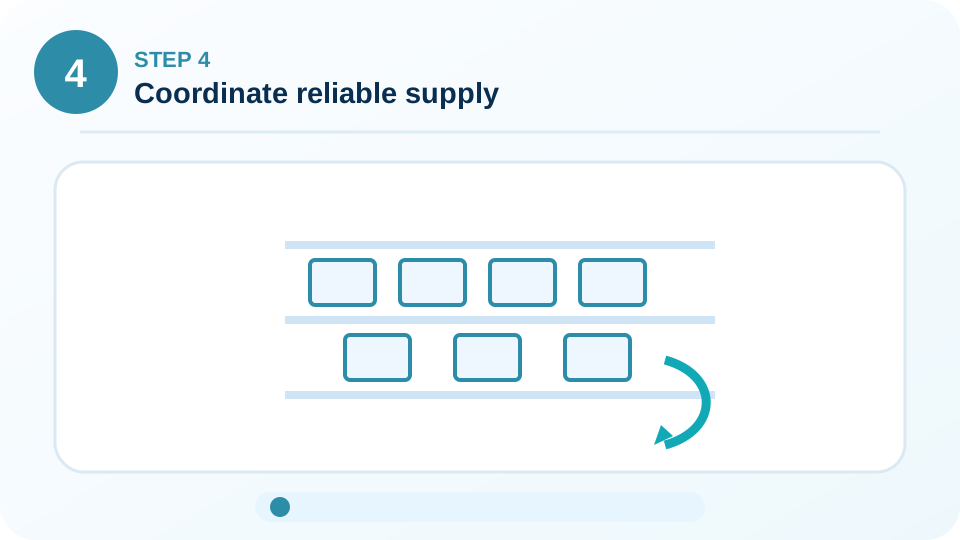 Plan continuity and replenishment
Build a replenishment and storage plan that protects routine work against expiry, shortages and temperature-related losses.
- Plan reorder thresholds and project quantity assumptions
- Protect shelf-life utilization and temperature integrity
- Coordinate continuity for recurring or multi-site use