
Analytical Technologies
A comprehensive analytical portfolio spanning chromatography, mass spectrometry, spectroscopy, elemental analysis, plate-based detection, imaging and method-specific consumables.
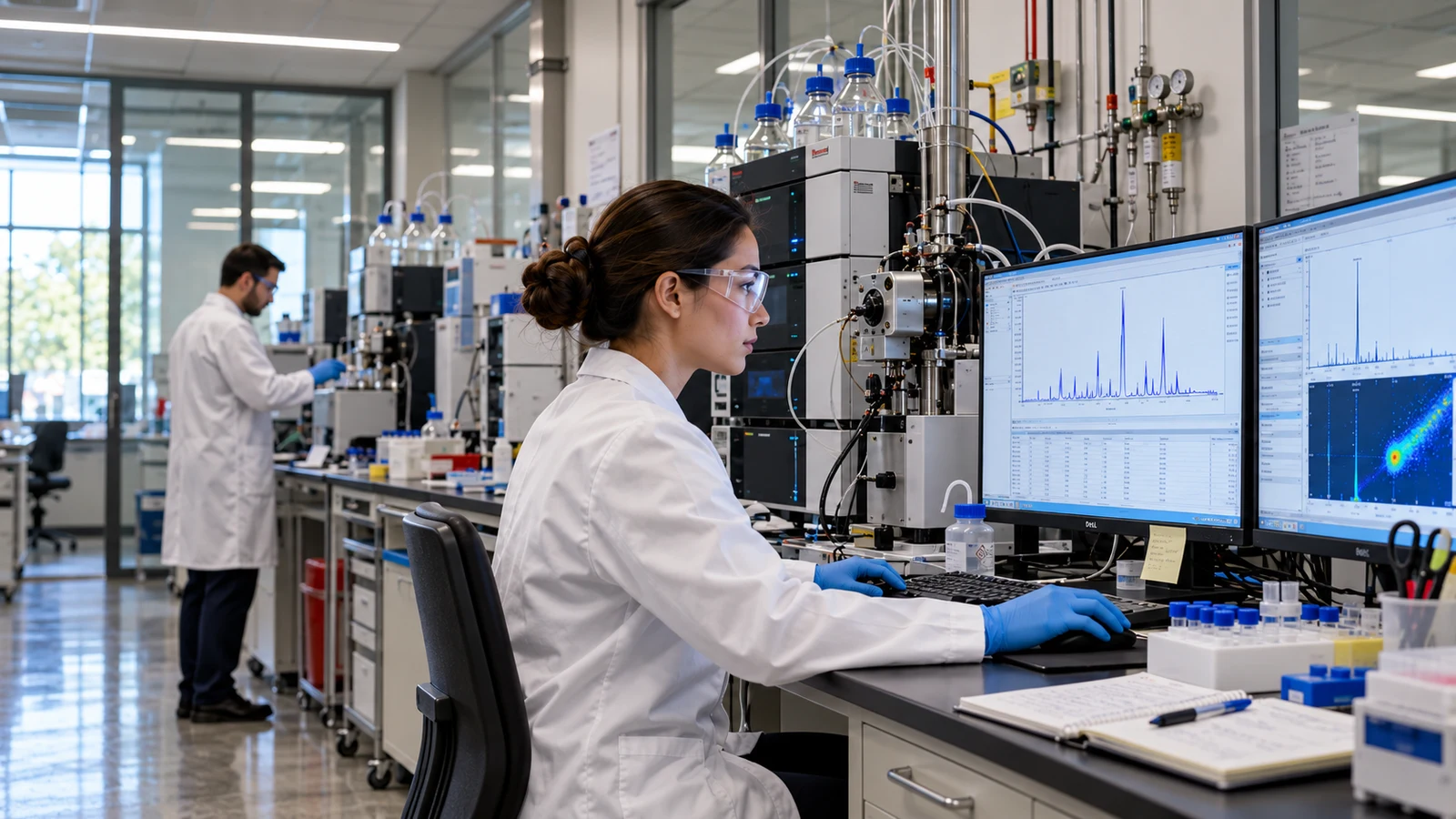
Coverage
Aventra supports requirement-specific sourcing across the following technology and material areas.
A complete analytical requirement goes beyond the instrument.
Analytical performance depends on the connected method: sample preparation, separation or measurement principle, detector, data system, calibration, standards, columns, vials, solvents and maintenance consumables. Aventra structures the requirement around the reportable result and installed laboratory context.
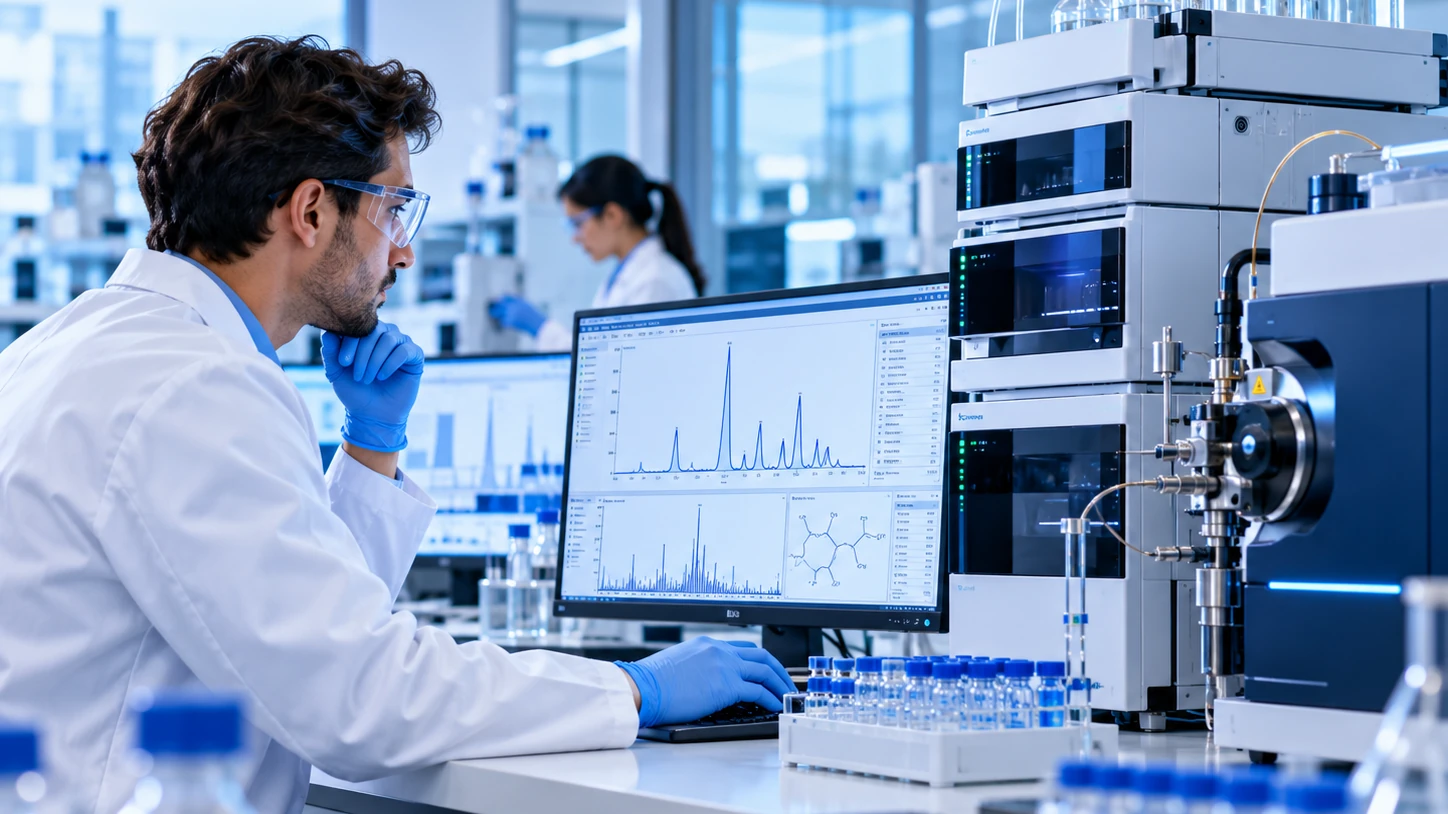
What we clarify before sourcing
Technical Considerations for Analytical Technology Selection
These illustrated steps frame the main technical decisions behind analytical platform, method and consumable selection.
 Define the analytical objective
Clarify the sample matrix, target analyte, required detection limit, throughput and reportable output before comparing technologies.
- Specify sample type, analyte and expected concentration range
- Define sensitivity, selectivity and throughput expectations
- Note whether the goal is screening, confirmation or quantification
 Select the measurement principle
Match chromatography, spectroscopy, mass spectrometry, elemental analysis or other approaches to the analytical question.
- Compare the suitability of each technique for the target
- Review sample-prep, separation and detector compatibility
- Consider installed-base and software environment constraints
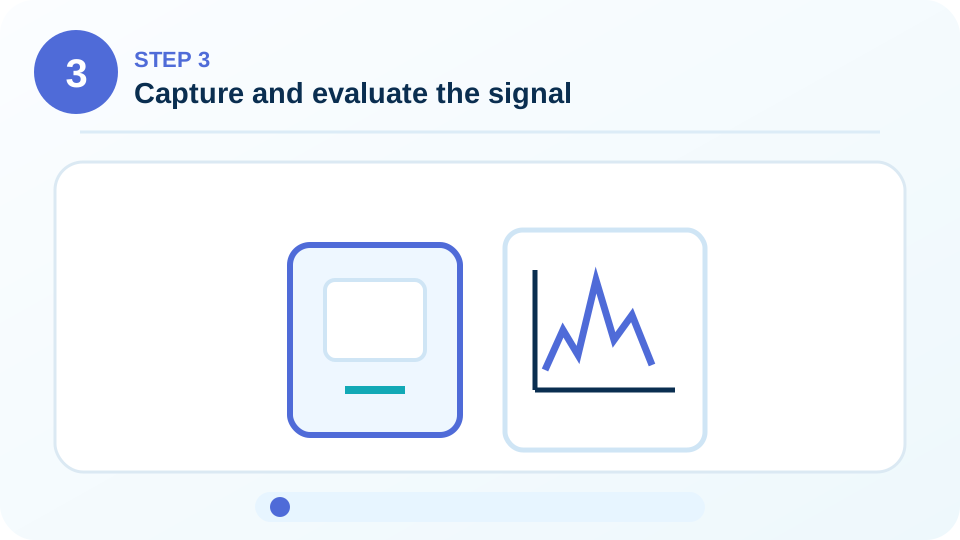 Evaluate method and detector performance
Review detector choice, calibration, controls, columns, solvents, standards and method-robustness requirements.
- Align detector configuration with the required output
- Assess calibration, control and maintenance requirements
- Check method robustness and data-system compatibility
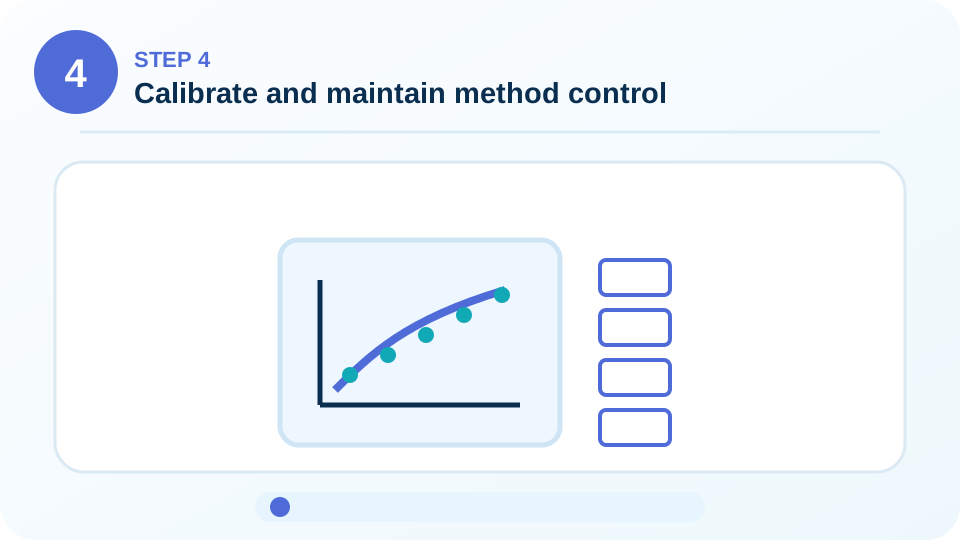 Plan continuity and lifecycle support
Account for consumables, spare parts, qualifications, maintenance planning and supply continuity around the analytical workflow.
- Map recurring consumables and service dependencies
- Review columns, vials, standards and maintenance parts
- Plan lifecycle continuity and replacement strategy