
Forensics & Human Identification
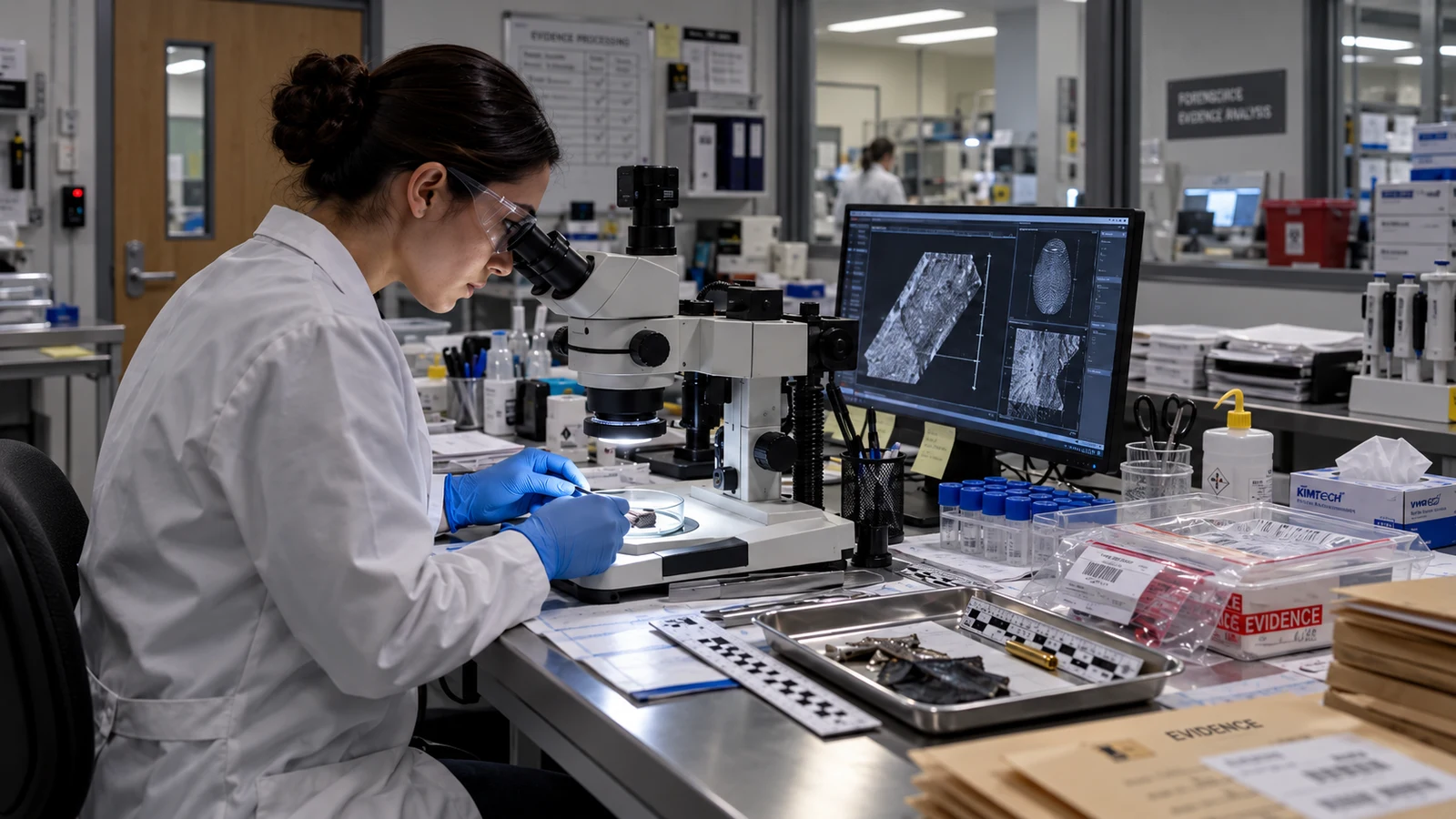
Workflow-oriented support for forensic DNA laboratories, human identification, missing-persons programs and related molecular workflows.
Coverage
Aventra supports requirement-specific sourcing across the following technology and material areas.
What we clarify before sourcing
Technical Considerations for Forensics & Human Identification Selection
These illustrated steps frame the scientific and workflow decisions that influence forensic and human-identification solution selection.
 Define the evidentiary context
Clarify the sample type, condition, expected DNA quality, chain-of-custody context and reportable objective.
- Identify reference, evidentiary or challenging sample types
- Review contamination-control and traceability requirements
- State the reporting objective and validation context
 Select extraction and workflow components
Align extraction, quantification, amplification, CE or MPS workflow components to the laboratory’s validated approach.
- Choose methods suitable for inhibition or degradation risk
- Check compatibility across extraction, quantification and typing steps
- Review kit and platform continuity for validated workflows
 Evaluate data quality and interpretation needs
Review controls, mixtures, low-template considerations, software environment and defensibility of the analytical workflow.
- Define controls and data-quality checkpoints
- Consider mixture interpretation and low-template scenarios
- Review software, analysis and documentation expectations
 Plan continuity and defensibility
Account for documentation, consumables, storage, replacement timing and continuity across casework or routine operations.
- Protect consumable continuity and traceable documentation
- Plan storage and stability for critical materials
- Support defensibility through organized procurement records