
Why this requirement deserves technical definition
How collection, extraction, quantification, amplification and analysis fit together in a modern human-identification workflow. The practical objective is to define the complete workflow well enough that product selection, sourcing and substitution decisions preserve the scientific intent.
1. Preserve evidence integrity at collection
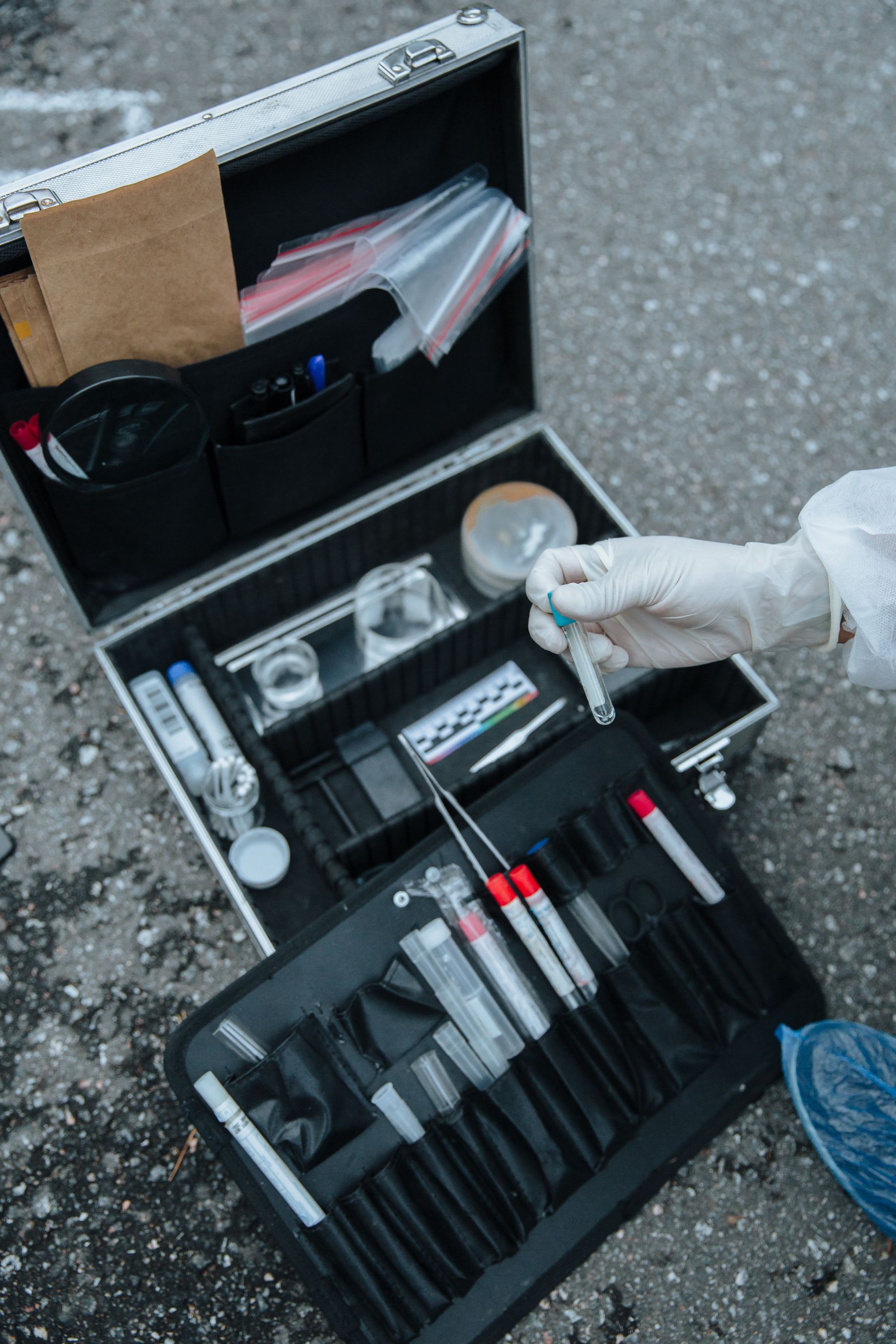
Collection materials, packaging, labeling and handling should minimize contamination and preserve the evidentiary value of the sample. The laboratory workflow starts before extraction: substrate type, moisture, biological source, storage history and chain-of-custody information can all influence later decisions.
2. Choose extraction around sample type and inhibition
Blood, saliva, touch DNA, bone, tissue and environmentally exposed evidence present different recovery and inhibitor-removal challenges. Extraction chemistry should be selected for the sample and remain compatible with the validated downstream quantification and amplification workflow.
3. Quantification informs downstream amplification strategy
Forensic qPCR can provide information about amplifiable human DNA and, depending on the assay, may also indicate degradation or inhibition. That information helps laboratories choose input amounts, dilution strategies or additional cleanup rather than treating every extract identically.
4. STR, CE and MPS choices depend on the validated laboratory workflow
STR profiling with capillary electrophoresis remains central to many human-identification laboratories, while massively parallel sequencing can provide additional sequence or marker information. Technology selection should follow the casework question, validation status, interpretation capability, database compatibility and quality system used by the laboratory.
What to include in a sourcing or technical brief
- Application, sample or material type
- Existing method, equipment or validated workflow
- Critical specifications and permitted alternatives
- Required quantity, pack format and expected usage
- Storage, shelf-life, lot and transport conditions
- Documentation, certificate, destination and compliance requirements
This article provides general independent technical information. Laboratory-specific validated methods, current manufacturer instructions, regulatory requirements and institutional procedures take precedence. Manufacturer references do not imply authorization, appointment or distributorship.