

Why this requirement deserves technical definition
Digital PCR performance depends on compatible assay chemistry, droplet-generation consumables, controls and analysis settings. The practical objective is to define the complete workflow well enough that product selection, sourcing and substitution decisions preserve the scientific intent.
Illustrated technical considerations
Each technical consideration is presented as a vertical scientific review card: illustration first, followed by detailed guidance and the key factors to evaluate.
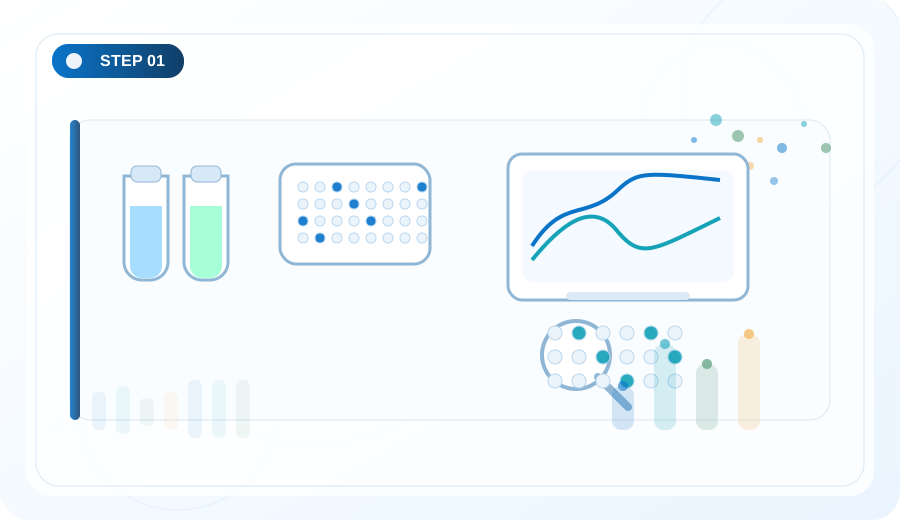
Partitioning is only one part of ddPCR performance
Droplet generation, PCR chemistry, primers/probes, thermal cycling, droplet reading and threshold interpretation all contribute to the final result. A workflow should be assessed end to end rather than by instrument specifications alone.
- Clarify the intended scientific objective and acceptance criteria
- Record the sample, material or workflow context that drives the requirement
- Note any existing method, platform or installed-base constraints
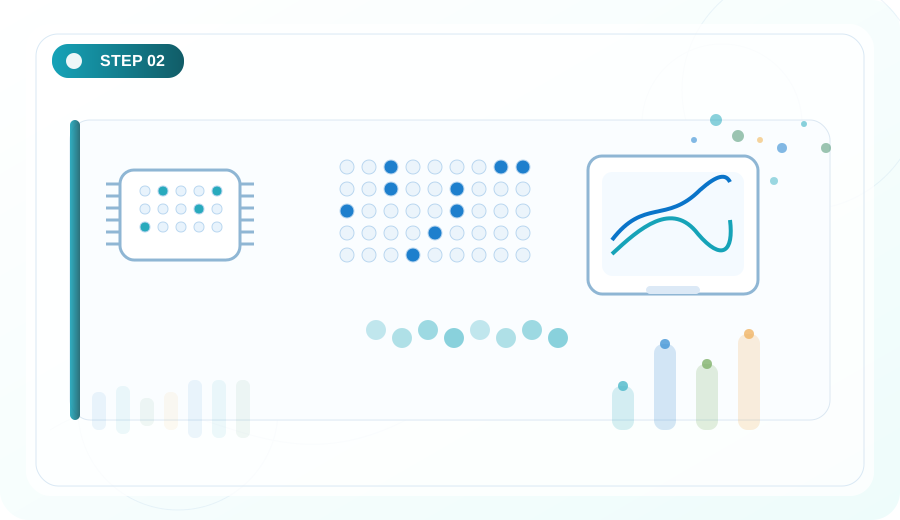
Consumables are platform-critical
Droplet-generation cartridges or plates, gaskets, oils, reader consumables and compatible PCR plastics are not generic accessories. Stock continuity matters because the instrument cannot perform its intended workflow without the correct consumables.
- Compare the most suitable methods, materials or platforms for the requirement
- Review compatibility, performance fit and control requirements
- Flag risks related to interference, contamination or workflow mismatch
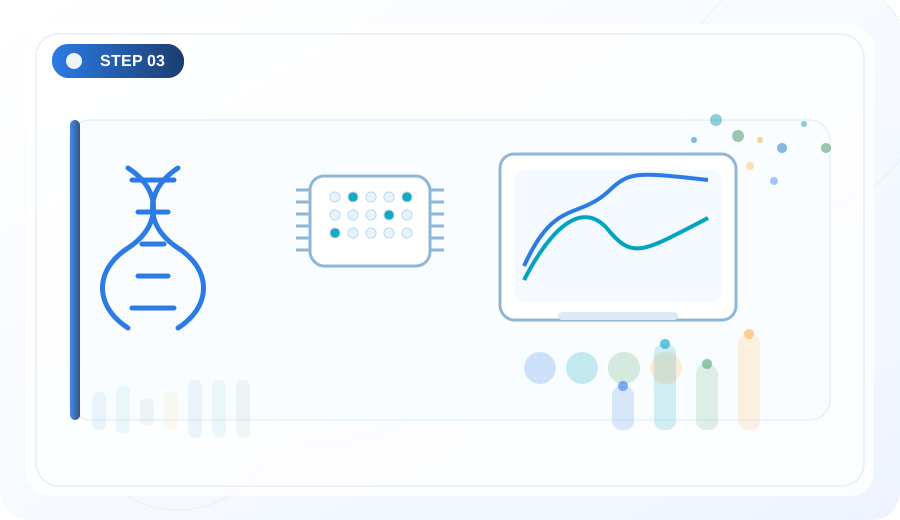
Assay design and controls determine interpretability
Positive controls, negative controls, no-template controls and appropriate reference materials help distinguish low-level signal from contamination or poor assay design. Multiplexing also requires attention to fluorophore combinations and amplitude separation.
- Assess integration with the overall workflow and data-quality expectations
- Consider throughput, infrastructure and supporting consumable dependencies
- Check reproducibility, method robustness and downstream implications

Software and analysis settings should remain controlled
Thresholding, accepted droplet counts, replicate treatment and concentration reporting should follow the laboratory’s validated method. Bio-Rad ddPCR references are independent technical context and do not imply commercial authorization.
- Confirm documentation, continuity and lifecycle expectations
- Review storage, stability, replacement planning or maintenance needs
- Plan procurement, logistics or compliance points that protect continuity
What to include in a sourcing or technical brief
- Application, sample or material type
- Existing method, equipment or validated workflow
- Critical specifications and permitted alternatives
- Required quantity, pack format and expected usage
- Storage, shelf-life, lot and transport conditions
- Documentation, certificate, destination and compliance requirements
This article provides general independent technical information. Laboratory-specific validated methods, current manufacturer instructions, regulatory requirements and institutional procedures take precedence. Manufacturer references do not imply authorization, appointment or distributorship.